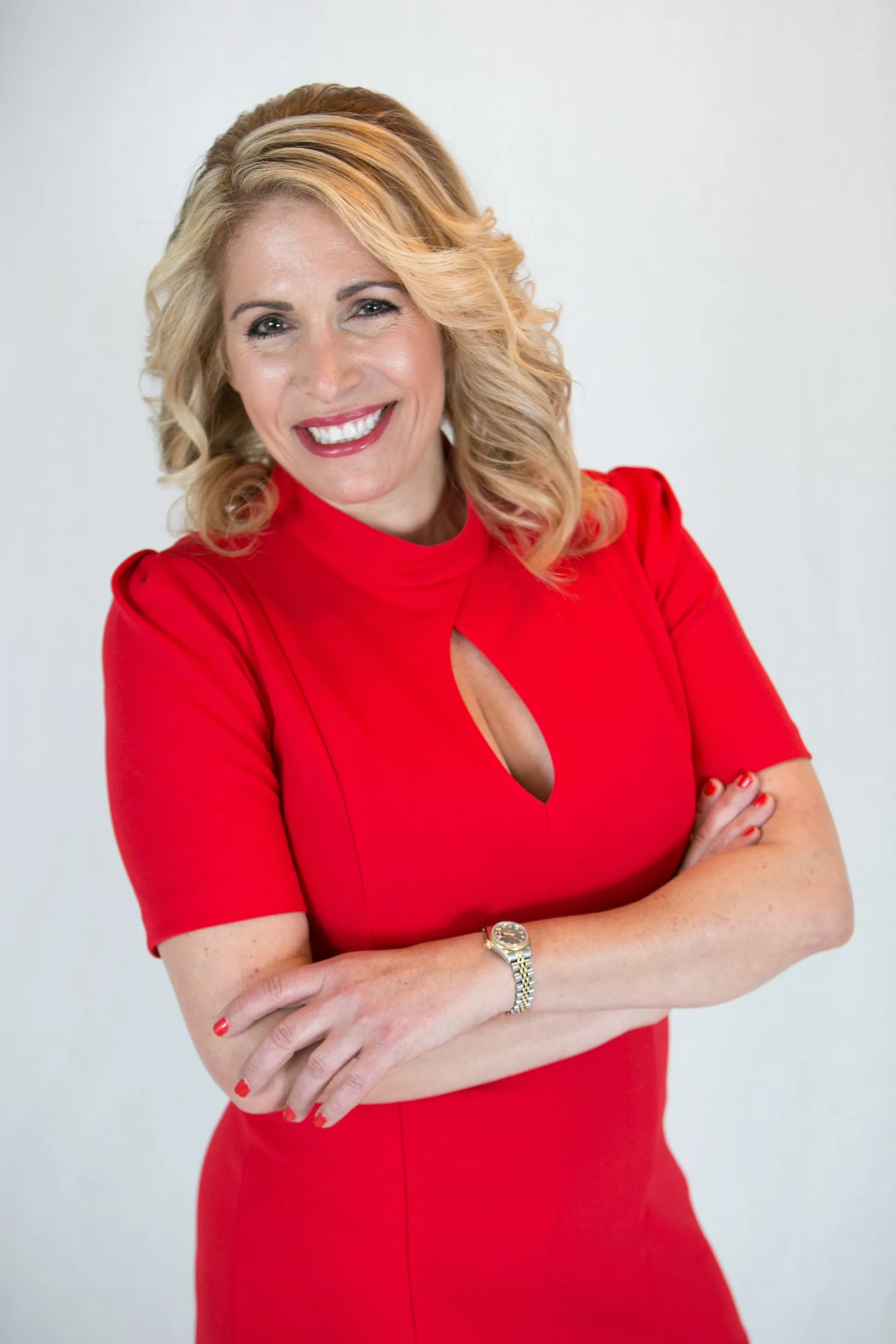
Penny Foskaris is a Functional Nutrition Specialist and red light therapy expert practicing in Anaheim Hills, CA. She has worked with over 3,000 clients using photobiomodulation, body composition science, and clinical nutrition to deliver measurable health outcomes.
Red light therapy is not new. It is not experimental. And it is not a trend. The technology dates back to a 1995 NASA experiment aboard the Columbia space shuttle, where researchers discovered that specific wavelengths of light accelerated plant growth in space. That same research led to clinical applications for wound healing, pain relief, and tissue recovery. Today, red light therapy is used in thousands of clinics across the United States.
This guide covers how it works, what it treats, what a session looks like at Foskaris Wellness, and the results real clients have achieved.
What Is Red Light Therapy?
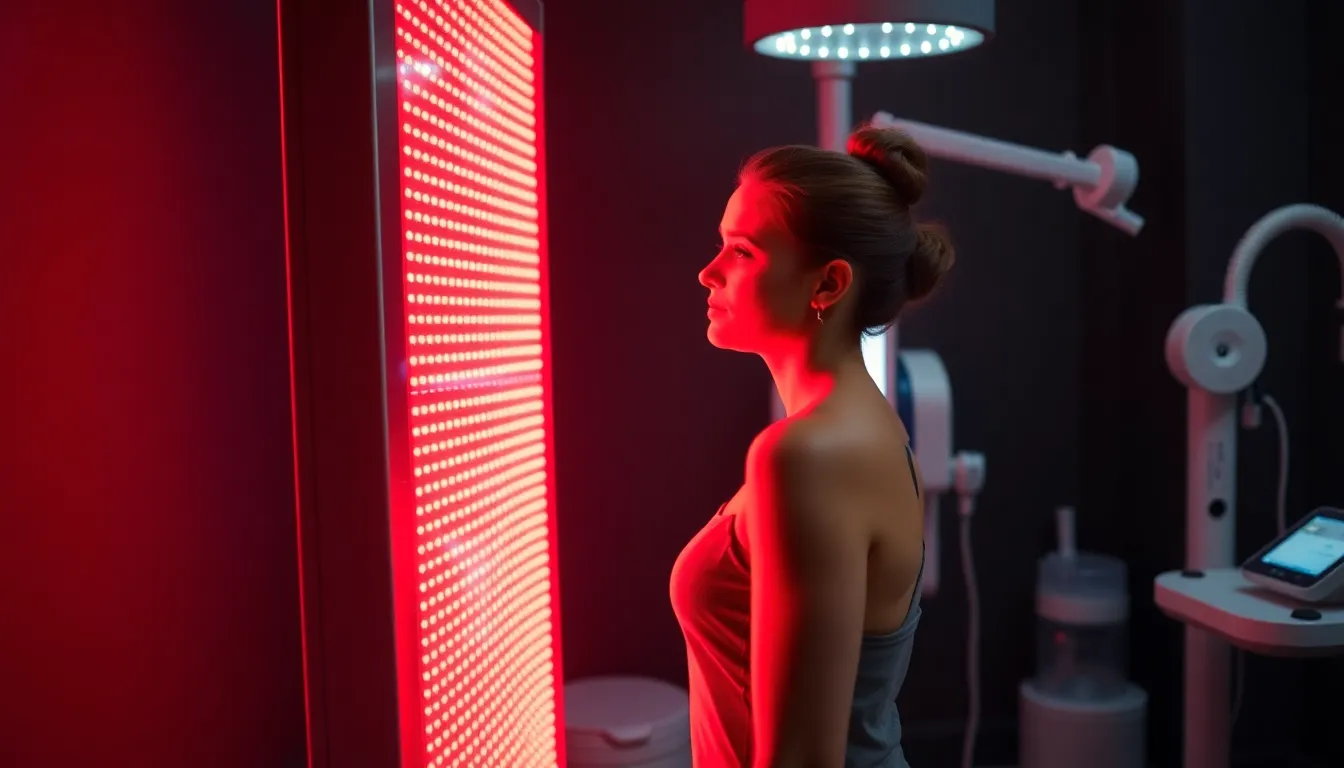
Red light therapy, also called photobiomodulation (PBM), uses specific wavelengths of light to stimulate cellular repair and reduce inflammation. The light is delivered through LED panels, pads, or full-body systems. It is non-invasive, painless, and requires no recovery time.
The term “photobiomodulation” breaks down simply. Photo means light. Bio means biology. Modulation means change. You are using light to change your biology at the cellular level.
Red light therapy is FDA-cleared for certain applications including pain management and skin conditions. It is currently the highest in-demand non-invasive treatment being sought by patients, according to clinical device surveys.
It is not the same as a heat lamp. It is not a tanning bed. It does not use UV light. The wavelengths used in therapeutic devices fall between 630 and 850 nanometers, which is the range the body absorbs most efficiently for cellular energy production.
How Red Light Therapy Works at the Cellular Level
Red and near-infrared wavelengths penetrate tissue and are absorbed by mitochondria, the energy centers of your cells. This increases production of adenosine triphosphate (ATP), the molecule that powers nearly every biological process in your body.
Here is what happens during a session:
- Light penetrates the skin. Red light (660nm) reaches the surface layers. Near-infrared light (850nm) penetrates deeper into muscle, joint, and bone tissue.
- Mitochondria absorb the photons. A protein called cytochrome c oxidase on the mitochondrial membrane responds to these wavelengths.
- ATP production increases. More cellular energy means faster repair, reduced inflammation, and improved metabolic function.
- Nitric oxide is released. This improves blood flow and oxygen delivery to the targeted area.
- Inflammatory markers decrease. The body’s inflammatory cytokine response is modulated, which is why pain relief often occurs within the first session.
This is not theory. The mechanism has been documented in peer-reviewed research across pain management, dermatology, sports medicine, and wound care. As a member of the American Academy of Anti-Aging Medicine (A4M), I stay current on the clinical literature, and the evidence base for photobiomodulation continues to grow every year.
What Red Light Therapy Treats
Red light therapy addresses four primary categories: fat loss, pain relief, skin health, and recovery. In my practice, most clients come in for one of these, and many discover benefits in the others.
Fat Loss
Red light therapy supports fat loss by stimulating mitochondrial activity and enhancing metabolic function. When combined with the LongevityRX protocol, which includes personalized nutrition and body composition tracking, the results are measurable and documented.
One client lost 18 pounds and 4 inches off her waist in 8 weeks. That was not from red light alone. It was red light therapy combined with data-driven nutrition and weekly InBody scans. The light supports the process. The data drives the decisions.
Pain Relief
This is where results are fastest. Many clients report reduced pain within 15 minutes of their first session. The mechanism is straightforward: red light reduces inflammatory cytokines and increases ATP production in damaged tissue.
Ryan Matthews came to Foskaris Wellness with a ruptured Achilles tendon. His doctor told him recovery would take 18 months. After six red light therapy sessions, he was hiking again in six months. His doctor said he had never seen anyone heal from that type of injury so quickly.
That is one case. Not every client will have that outcome. But the pattern is consistent: clients with pain and inflammation respond quickly to photobiomodulation.
Skin Tightening and Anti-Aging
Red light stimulates collagen and elastin production in the skin. This is why face tightening treatments are one of the fastest-growing applications of photobiomodulation. I cover this in detail in my guide on non-invasive face tightening with red light therapy.
Hair Regrowth
Red light therapy has shown promise in clinical studies for stimulating hair follicles and supporting regrowth. This is a secondary application at Foskaris Wellness, typically combined with other protocols depending on the client’s goals.
What to Expect During a Session in Anaheim Hills
A red light therapy session at Foskaris Wellness takes 15 minutes, requires no preparation, and has zero downtime. You can come in during your lunch break and go right back to work.
Here is what a typical session looks like:
- Consultation. On your first visit, we discuss your goals: pain relief, fat loss, skin health, or a combination. This determines which device and protocol we use.
- Protocol selection. Foskaris Wellness uses multiple device types: a full-body sculpting bed, targeted LED pads for specific areas, and a face dome for facial treatments. The device is selected based on your treatment area and objective.
- The session. You relax in a comfortable position while the device delivers red and near-infrared light to the targeted area. Sessions last 15 minutes. There is no pain, no heat discomfort, and no UV exposure.
- Post-session. There is nothing to do after. No recovery period, no restrictions. Some clients notice immediate pain relief. Fat loss and skin results accumulate over multiple sessions.
Foskaris Wellness is located at 5100 E. La Palma Ave Suite 104, Anaheim Hills, CA 92807, inside Hands On Wellness. Hours are Monday through Friday 9am to 6pm, Saturday 9am to 2pm. Call or text (714) 340-0038 to schedule.
Red Light Therapy Results: Before and Afters
The best evidence is visual. Our before-and-after gallery documents real client results across fat loss, pain recovery, and skin tightening.
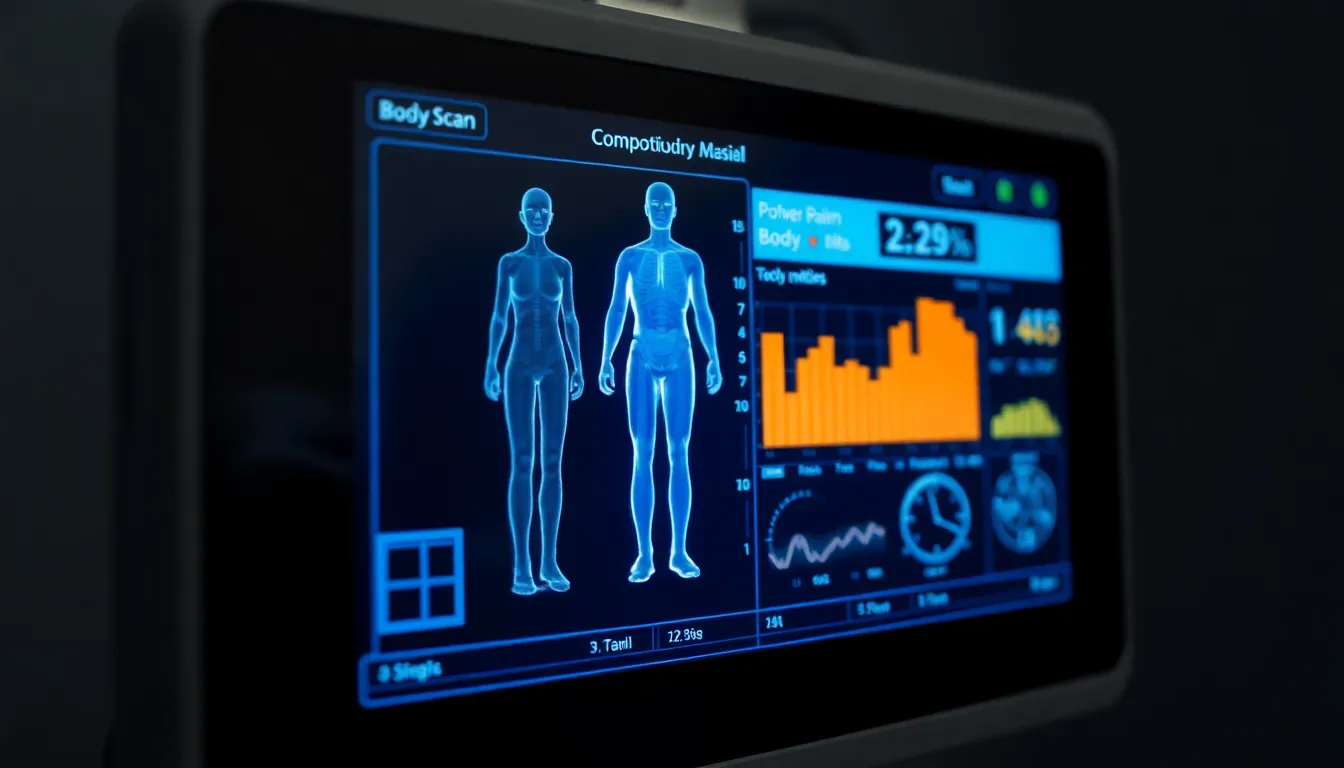
What makes these results credible is the data behind them. We do not rely on subjective “I feel better” assessments. Every client on a weight loss or body composition program gets regular InBody 570 scans. The numbers show exactly what changed: fat mass lost, muscle mass preserved, visceral fat reduced.
When I appeared on Dr. Oz in 2022, we discussed visceral fat and the role of metabolic health in long-term weight management. That conversation reinforced what I see in my clinic every week: the scale is the worst tool for measuring progress. Body composition data tells you what is actually happening inside your body.
Specific results vary by individual, treatment plan, and consistency. But the pattern across 3,000+ clients is clear: red light therapy, combined with data-driven nutrition, produces measurable outcomes.
Red Light Therapy at Home vs. In-Office
Both work. The difference is power, precision, and accountability.
In-office sessions at Foskaris Wellness use clinical-grade devices with more LEDs per square inch than most home devices on the market. The full-body sculpting bed, for example, delivers coverage to the entire body in a single 15-minute session.
Home devices from Red Light Pro Devices bring the same wavelengths to your home. They are ideal for:
- Maintenance between office visits. Clients on a structured program often use home devices between weekly in-office sessions.
- Targeted treatment. LED pads can be placed directly on pain sites, joints, or treatment areas.
- Travel and convenience. The 3-in-1 pad ($450) is portable and covers most targeted applications.
Home device options range from the 3-in-1 pad at $450 to the full-body system with 12,690 LEDs at $9,997. For practitioners interested in offering red light therapy in their own clinics, wholesale pricing and private label options are available.
The best results come from combining both: in-office sessions for full-body treatment and accountability, plus home devices for daily or between-visit protocols.